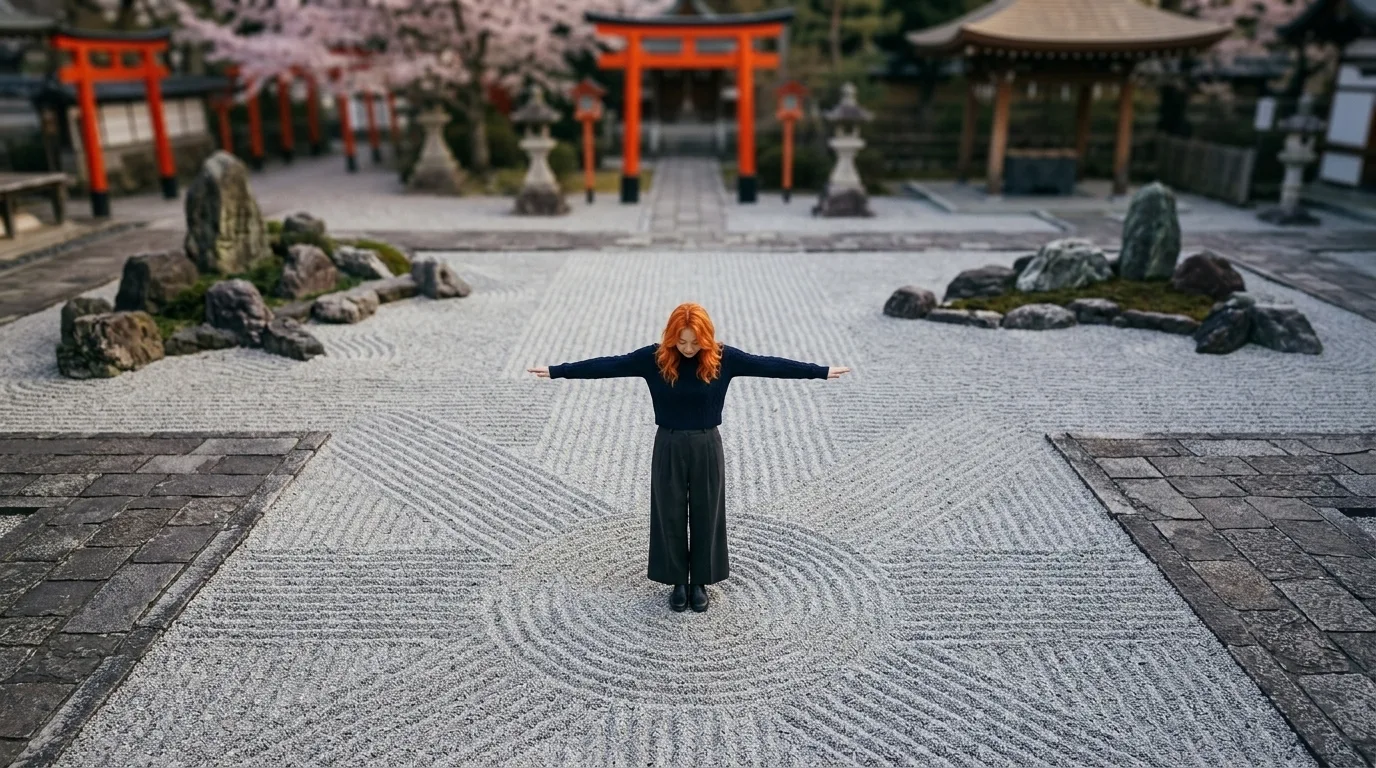
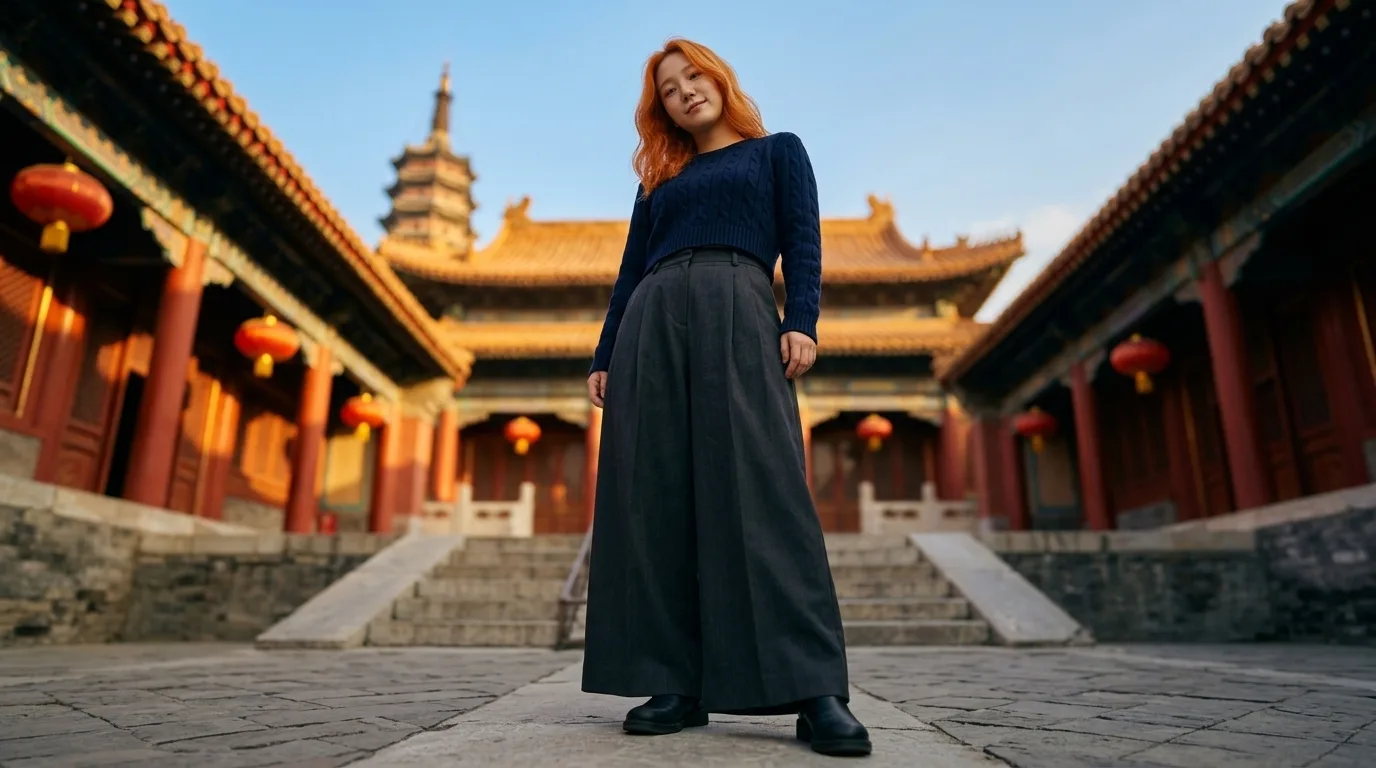
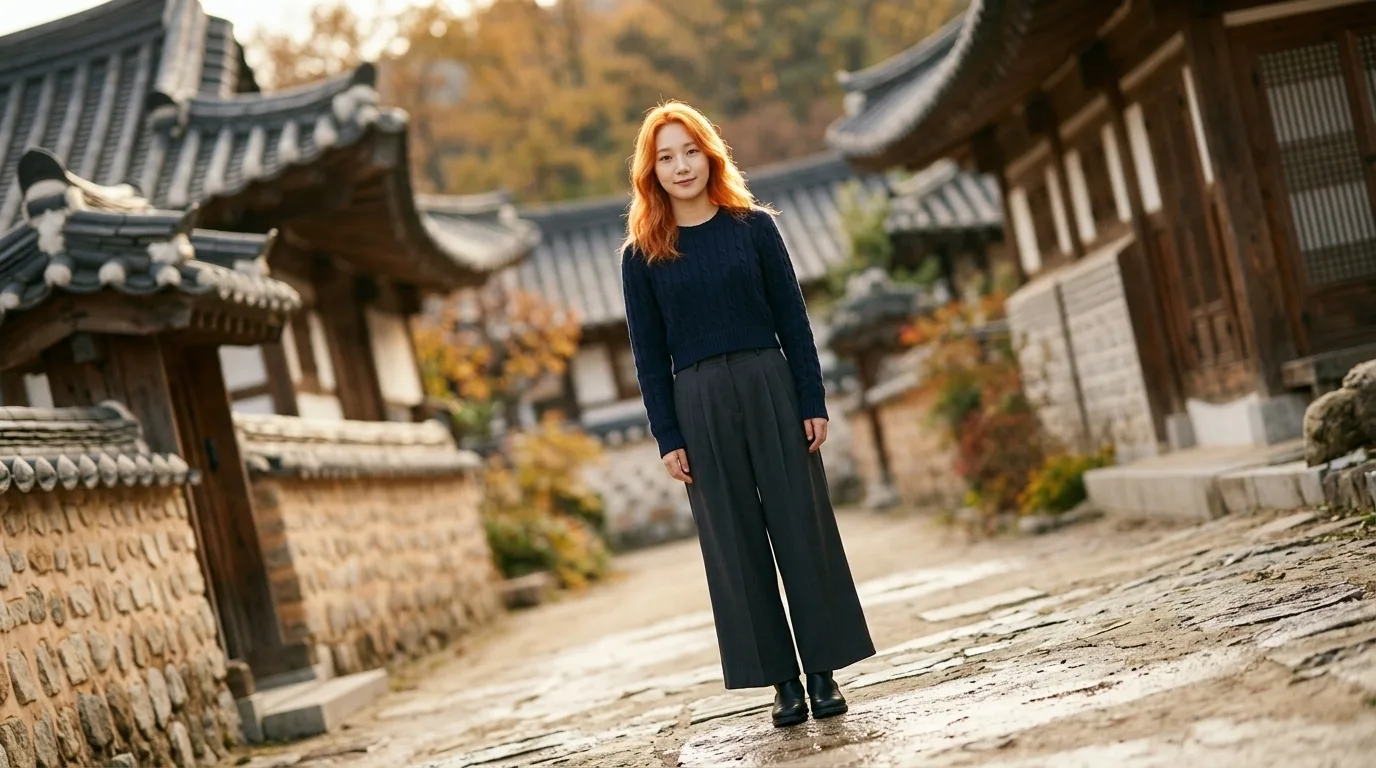
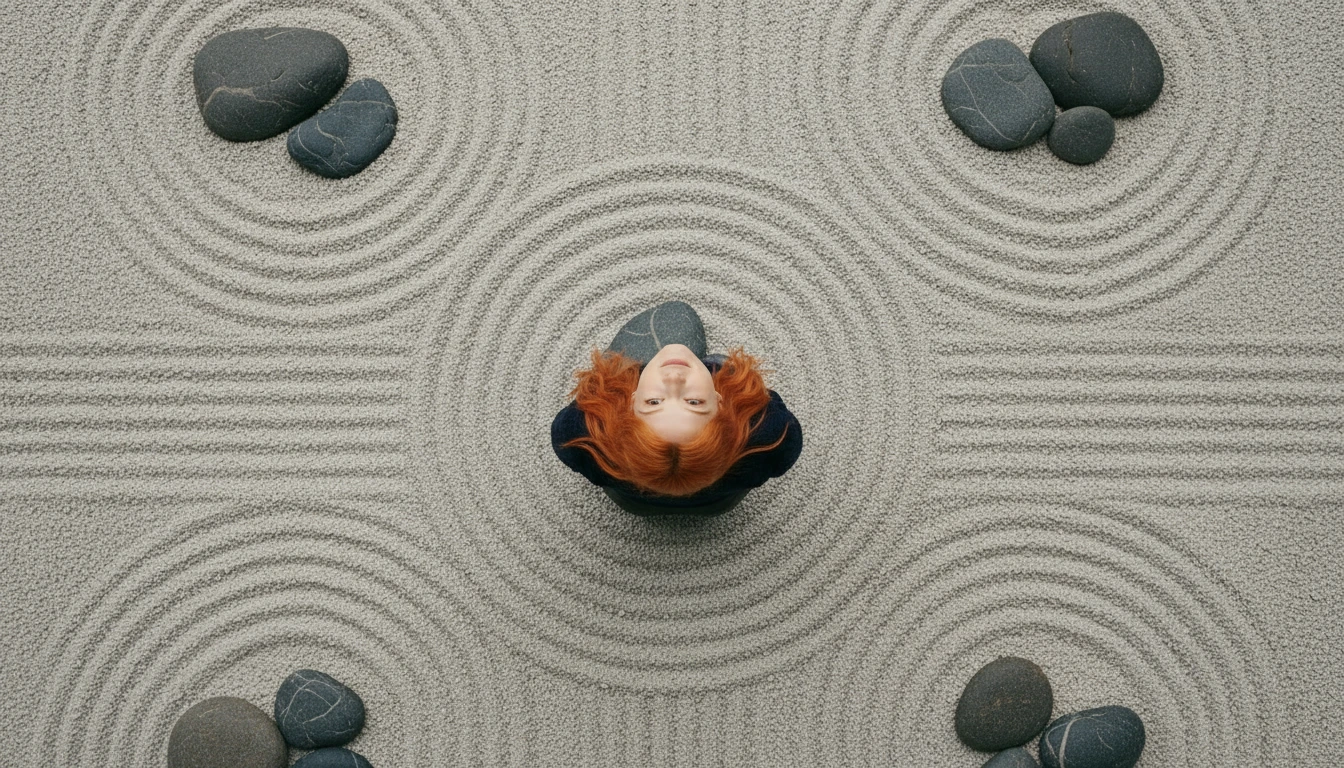
VERTICAL CAMERA RISE through 3D space — the camera physically RISES UPWARD, gaining altitude like a hot air balloon ascending. NOT a tilt (where camera rotates), NOT a pan. The camera's POSITION in the air gets HIGHER over time. Starting position: camera at the subject's eye level (5 feet off the ground). Ending position: camera 30 feet in the air, looking down at a steeper angle. As the camera rises, the viewer sees the subject getting smaller below, more rooftops become visible, the horizon expands. Vertical altitude change is the key motion. The subject stays frozen on the ground. This is camera gaining HEIGHT, not rotating its lens.
VERTICAL CAMERA RISE through 3D space — the camera physically RISES UPWARD, gaining altitude like a hot air balloon ascending. NOT a tilt (where camera rotates), NOT a pan. The camera's POSITION in the air gets HIGHER over time. Starting position: camera at the subject's eye level (5 feet off the ground). Ending position: camera 30 feet in the air, looking down at a steeper angle. As the camera rises, the viewer sees the subject getting smaller below, more rooftops become visible, the horizon expands. Vertical altitude change is the key motion. The subject stays frozen on the ground. This is camera gaining HEIGHT, not rotating its lens.
Crane Up (Boom Up)
Camera rises vertically, revealing more of the environment from above. Often used for dramatic reveals.
When to use
Reveal scale, transcendence, or grand sweeping endings — the camera leaves the human plane.
Pro tips
- •Say "crane up — camera physically RISES upward through 3D space, gaining altitude"
- •Distinguish from tilt: "camera position changes vertically, not just lens rotating"
- •Add "final shot pulling away from the world" for ending mood