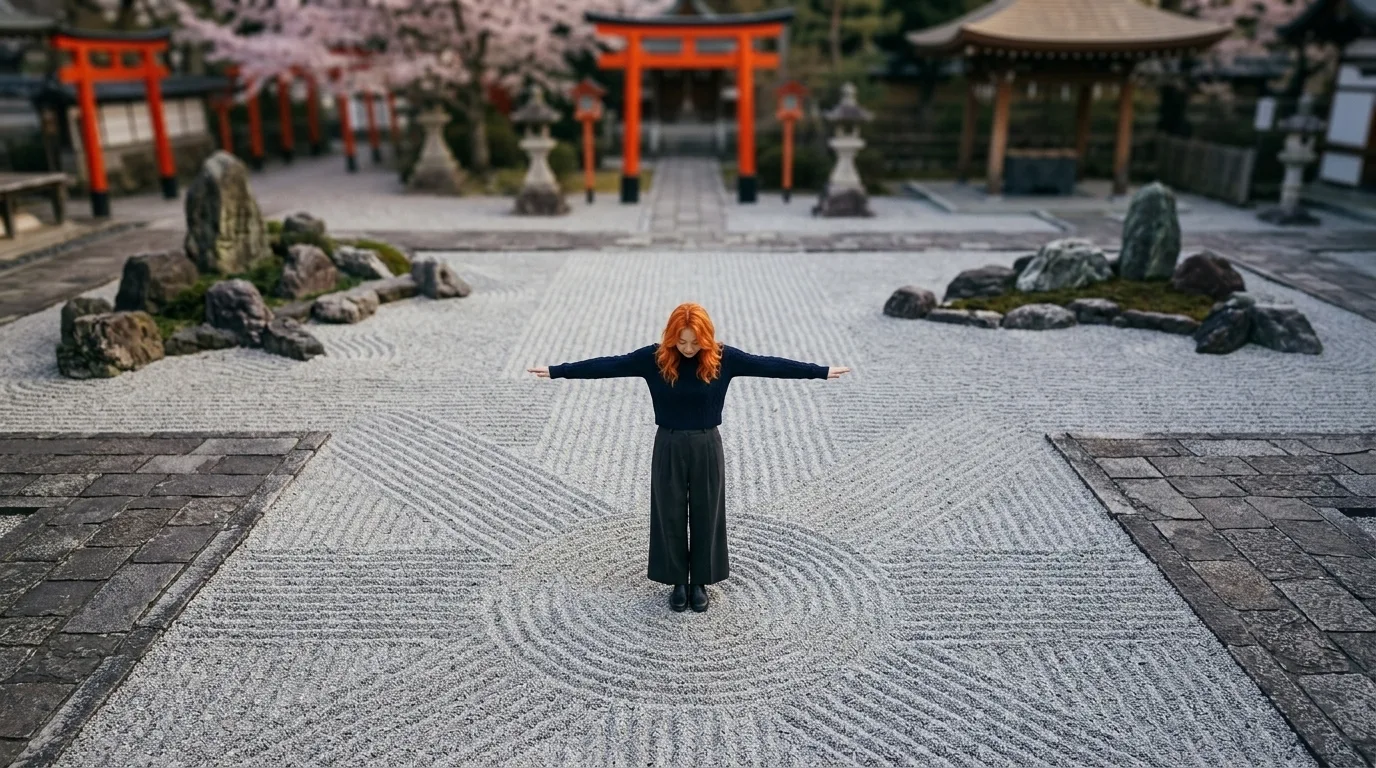
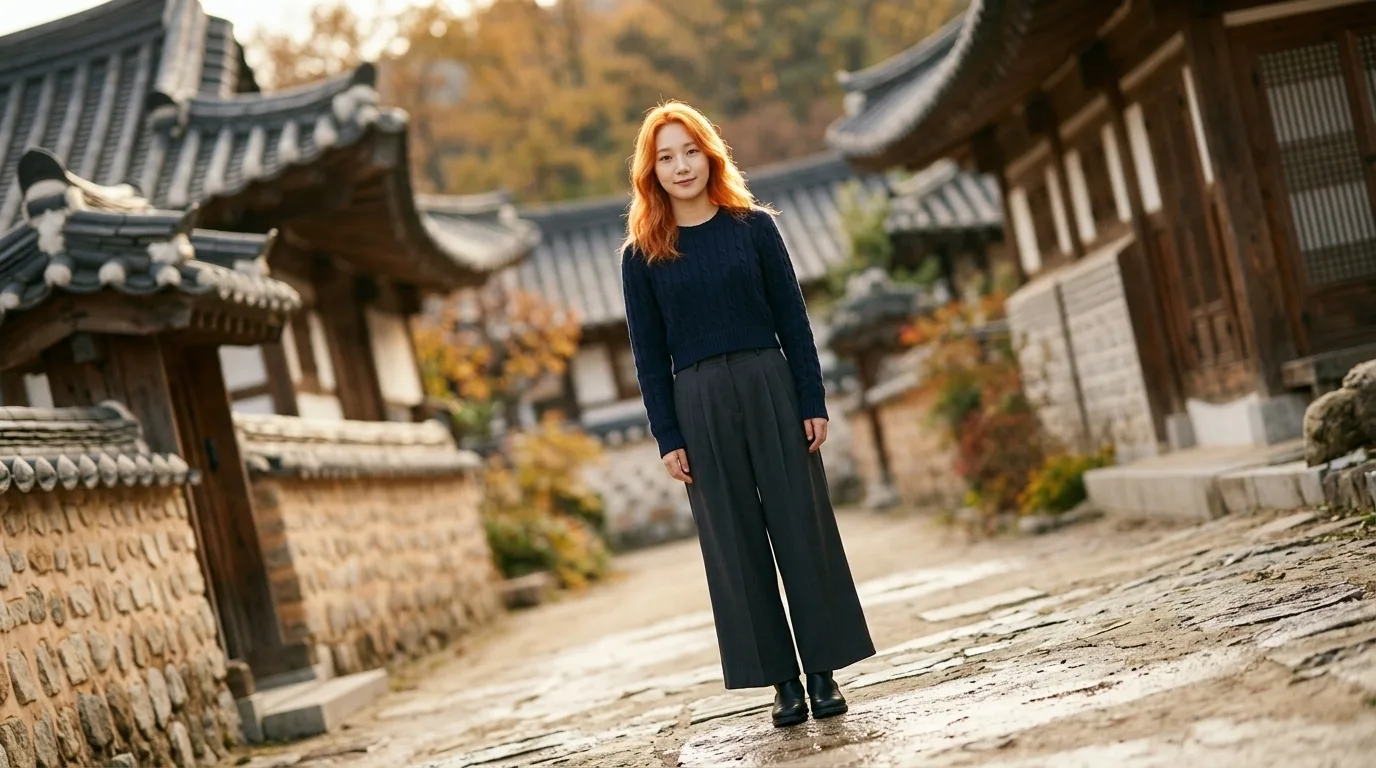
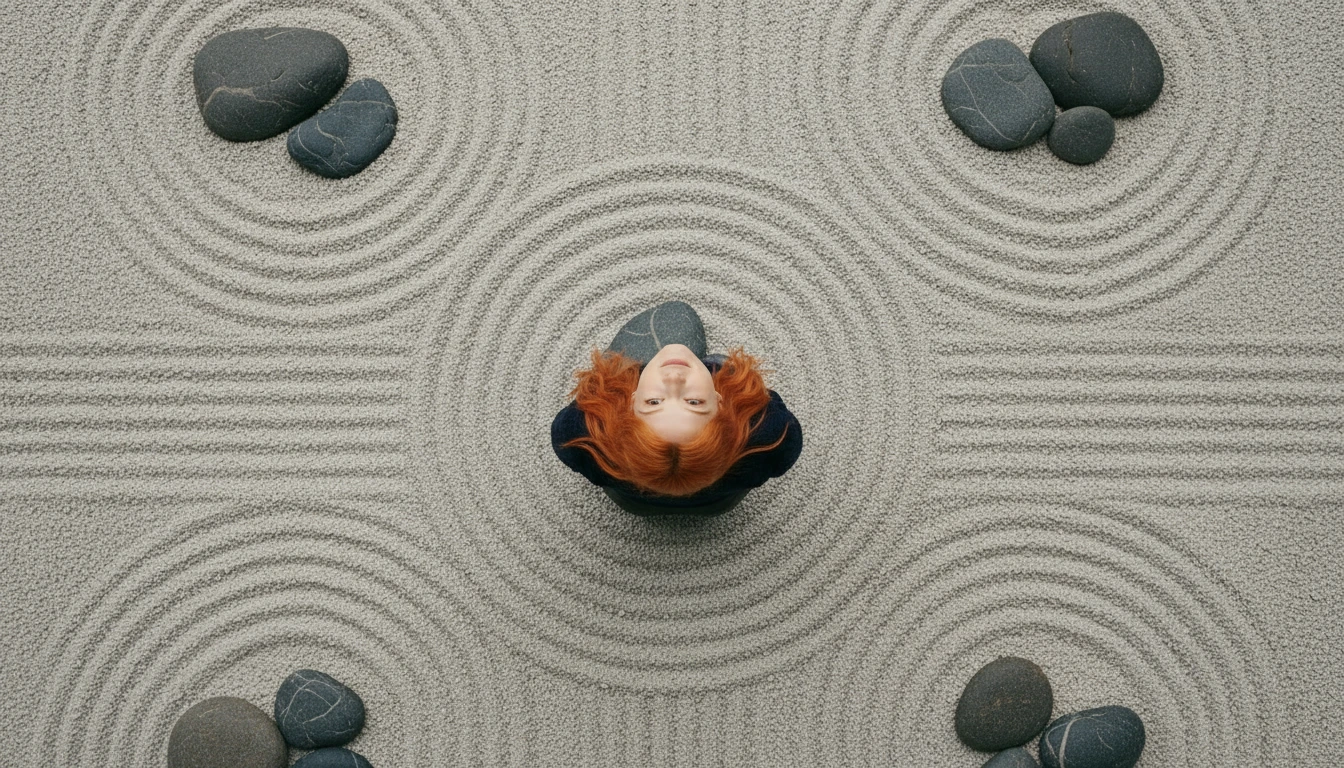
ZOOM OUT (telephoto pull-back) — Starting frame: the subject's face fills most of the frame in close-up. The CAMERA stays in the same physical position throughout, but the LENS zooms outward (focal length decreases continuously). As the lens zooms out, more and more of the surrounding environment is revealed around the subject — first the subject's shoulders, then the subject's body, then the trees, then the wider scene. The subject remains COMPLETELY MOTIONLESS throughout, identity unchanged (same face, same hair, same clothing — NOT a different person, NOT a morph). Continuous single take, no cuts, no transitions, no crossfade between scenes. Smooth continuous lens zoom from tight close-up to wide reveal.
ZOOM OUT (telephoto pull-back) — Starting frame: the subject's face fills most of the frame in close-up. The CAMERA stays in the same physical position throughout, but the LENS zooms outward (focal length decreases continuously). As the lens zooms out, more and more of the surrounding environment is revealed around the subject — first the subject's shoulders, then the subject's body, then the trees, then the wider scene. The subject remains COMPLETELY MOTIONLESS throughout, identity unchanged (same face, same hair, same clothing — NOT a different person, NOT a morph). Continuous single take, no cuts, no transitions, no crossfade between scenes. Smooth continuous lens zoom from tight close-up to wide reveal.
Zoom Out
Lens zooms away from subject while camera stays still. Reveals environment.
When to use
Reveal context with a flat, telephoto-flattened look — different feel than dolly-out.
Pro tips
- •Say "zoom out — camera position fixed, lens widening, gradual reveal"
- •Add "flattened perspective, no parallax, retro 70s feel"
- •Often used for surprise reveals